A Guide to Popular Cannabis Strains: Finding What Works for You
Walk into any cannabis dispensary today and the sheer number of jars, bags, and display cases can feel overwhelming. Even experienced users sometimes pause at the counter, scanning names that sound like they belong to a bakery or a hip-hop playlist. I have been there myself, standing in front of a glass case trying to remember whether the last batch of a certain hybrid gave me energy or made me want to nap. Over time, I learned that a little knowledge about the most popular cannabis strains goes a long way toward making smarter choices.
The market has changed a lot in the past decade. Growers have refined their craft, and consumers have become more curious about what they are actually buying. A strain name is no longer just a label. It tells you something about lineage, effects, and even the people who grew it. Understanding that can save you money, frustration, and a few afternoons spent staring at the ceiling when you wanted to be productive.
What Makes a Strain Popular?
Popularity in the cannabis world is not random. A strain earns its reputation through consistency, potency, and the experience it delivers. When you look at the most popular cannabis strains on any dispensary menu, you will notice they share a few traits: reliable genetics, strong resin production, and a flavor profile that keeps people coming back. Some strains have been around for decades, while others burst onto the scene after winning a competition or earning praise from a well-known grower.
Take Blue Dream as an example. It is a sativa-dominant hybrid that became a staple across North America because it offers a balanced high. You get the uplifting, creative buzz of a sativa without the edgy feeling some pure sativas can cause. Blue Dream also produces dense, trichome-heavy buds with a sweet berry aroma. That combination of effects and flavor turned it into a household name among cannabis enthusiasts. It is the kind of strain you see in almost every dispensary, and for good reason.
The Three Main Categories: Indica, Sativa, and Hybrid
Before diving into specific strains, it helps to understand the broad categories. Indica strains are known for producing a relaxing, sedative effect. They tend to have shorter, bushier plants and higher levels of CBD relative to THC, though that balance varies. Sativa strains are associated with an energetic, uplifting high. They grow tall and take longer to flower. Hybrids combine genetics from both sides, and today most strains on the market are hybrids of some kind.
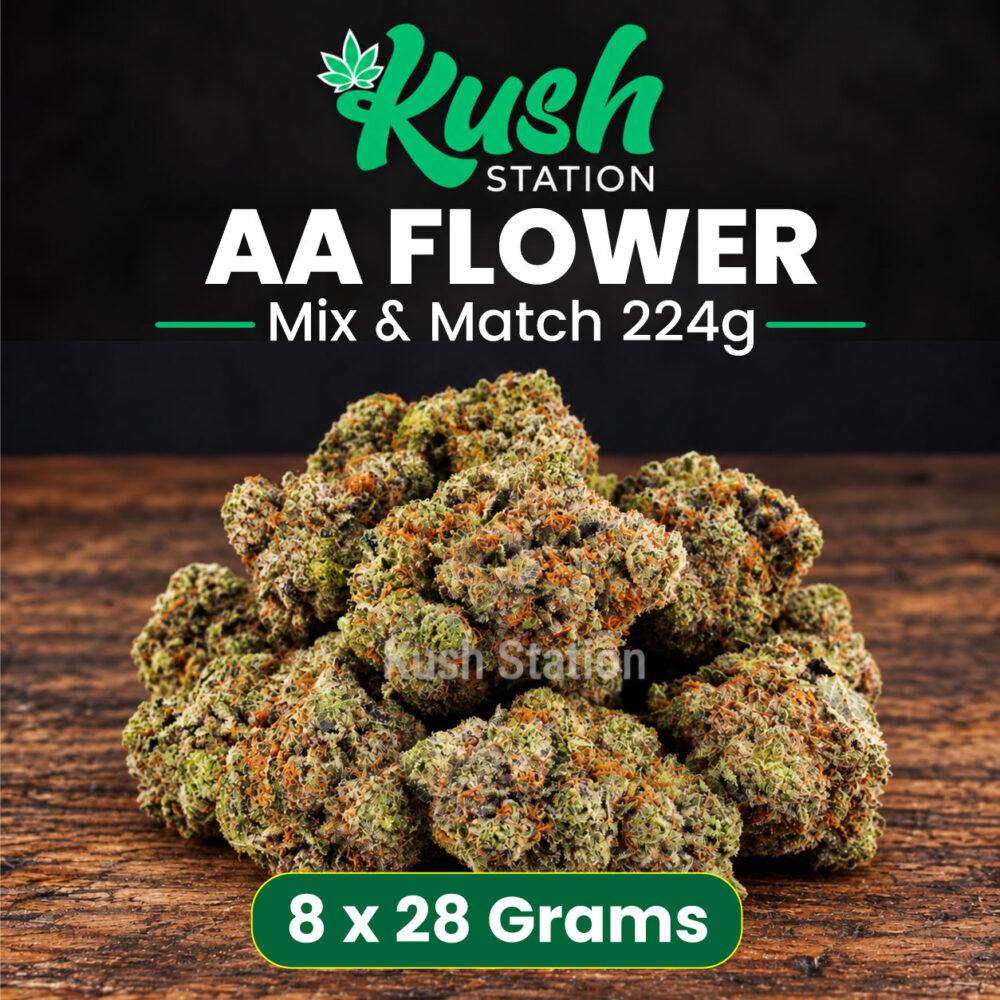
A few years ago, I picked up a bag of Girl Scout Cookies at a dispensary in Los Angeles. The name alone made me curious. Girl Scout Cookies is a hybrid that leans slightly toward indica, but its effects are complex. It hits with a euphoric wave that slowly settles into a full-body relaxation. The flavor is where it really stands out: notes of mint, chocolate, and earth that linger on the palate. That strain taught me how much variety exists within a single category. Not all hybrids feel the same, and not all indicas put you to sleep.
When I talk to newer users, I often recommend starting with a balanced hybrid. Something like a 50/50 split between sativa and indica genetics gives you a feel for both worlds without committing to one extreme. From there, you can explore deeper into indica territory for sleep or anxiety relief, or push toward sativa for daytime creativity and focus.
Terpenes, Aromas, and Flavors
Terpenes are the organic compounds responsible for the smell and taste of cannabis. They also play a role in how a strain makes you feel. Myrcene, limonene, and caryophyllene are common terpenes, and their ratios change the experience. A strain high in myrcene tends to be sedating, while limonene (found in citrus peels) leans more uplifting.
The aromas and flavors of popular cannabis strains are not just marketing fluff. They are real indicators of quality and effect. When I open a jar of well-cured flowers, the smell should be distinct and layered. If it smells like a single note of hay or grass, the curing process was rushed or the buds were stored poorly. Good cannabis smells like pine, citrus, diesel, berries, or earth, often with multiple notes that shift as you break the bud open.
Trichomes, the tiny resin glands that coat the surface of flowers, hold most of the cannabinoids and terpenes. Under a magnifying glass, they look like tiny mushrooms. Their color changes as the plant matures, from clear to cloudy to amber. Growers time the harvest based on trichome color. Cloudy trichomes with some amber mean higher THC and a more balanced effect. Clear trichomes mean the plant was harvested early, often leading to a less potent experience.
Potency and THC Content
Potency is one of the first things people ask about. In most legal markets, lab testing gives you a THC percentage on the label. A strain with 20 percent THC is considered moderately strong. Anything above 25 percent is high potency. But THC alone does not tell the whole story. The presence of other cannabinoids, especially CBD, and the specific terpene profile matter just as much.
I remember buying a batch of a strain advertised at 28 percent THC. It hit hard, but the high felt flat and short-lived. Another strain, with a modest 18 percent THC but a rich profile of myrcene and beta-caryophyllene, gave me a longer, more enjoyable experience. The lesson is that potency is not everything. Good growers focus on the whole plant, not just pushing THC numbers higher.
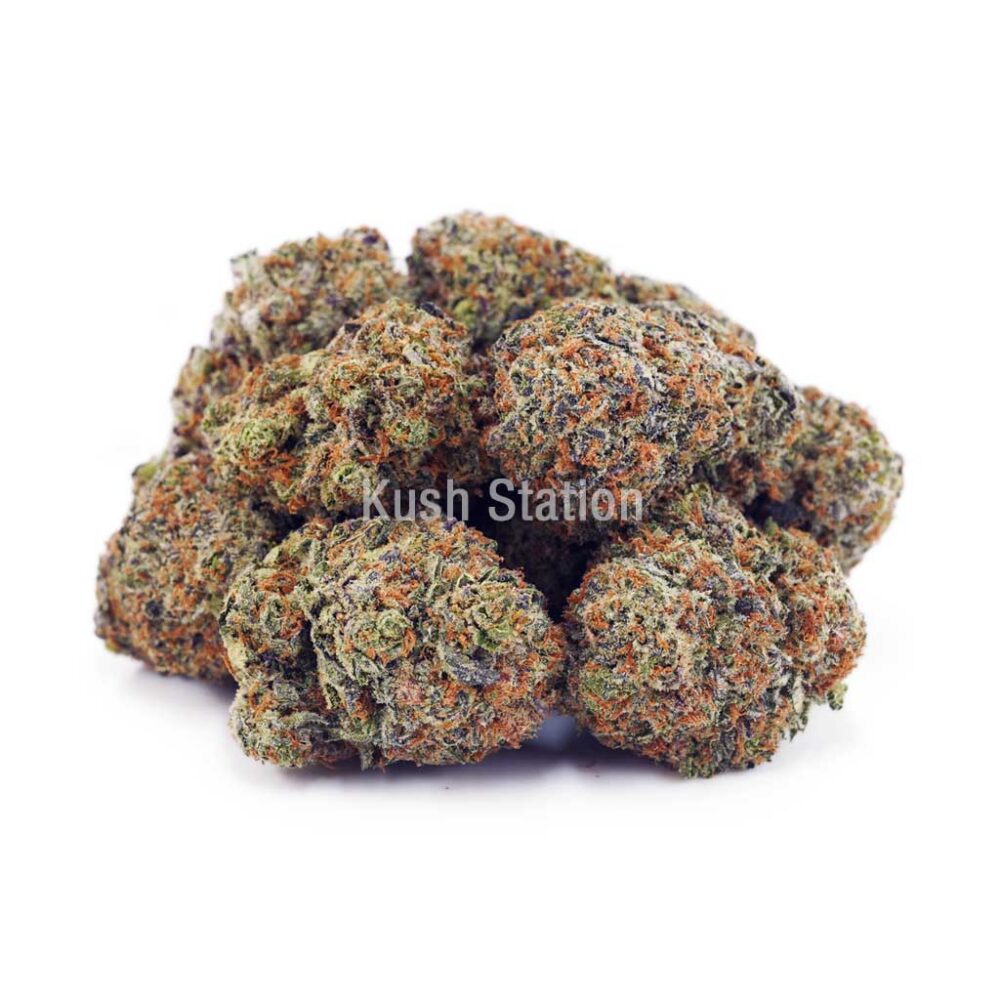
Resin production is another sign of quality. Sticky, resinous buds usually indicate a healthy plant grown with care. The resin contains the trichomes, and more trichomes typically mean more potency. But even within a single strain, different growers produce different results. That is why strain reviews from other consumers can be helpful. They tell you whether a particular batch from a specific grower actually delivers on the promise.
Harvesting, Curing, and the Final Product
The work does not end when the plant is cut. Harvest timing and curing are where good cannabis becomes great cannabis. A proper cure takes weeks, sometimes months. During curing, moisture slowly leaves the buds while enzymes and microbes break down chlorophyll and sugars. The result is a smoother smoke, more pronounced flavors, and a more stable high.
I once tried two batches of the same strain from different growers. One was harvested early, dried fast, and sold within two weeks. The other was harvested at peak ripeness, dried slowly over ten days, and cured for six weeks. The difference was night and day. The first batch was harsh, with a faint grassy taste. The second batch had a rich aroma of pine and citrus, burned clean, and the high was smooth from start to finish. That experience made me a believer in the importance of curing.
When you shop at a dispensary or through a delivery service, ask about harvest and cure dates if the information is available. Many reputable sellers, including online stores that source from top growers, provide that data. A recent harvest date is not always a sign of quality if the curing was rushed. Look for flowers that have had time to mature properly.
How to Choose the Right Strain for You
With so many popular cannabis strains on the market, picking one can feel like a guessing game. But you can narrow it down with a few simple steps. First, think about the effect you want. Are you looking for relaxation, pain relief, focus, or social energy? Indica-dominant strains generally suit the first two, while sativa-dominant strains work better for the latter two. Hybrids can go either way depending on their genetics.
Next, consider flavor and aroma. If you dislike piney, diesel smells, avoid strains heavy in those terpenes. If you enjoy fruity or floral notes, look for strains with limonene or linalool. Aroma is personal, and there is no wrong answer. The same goes for appearance. Dense, resin-coated flowers are usually a good sign, but some excellent strains have looser, airier buds. Trust your eyes and your nose.
Finally, read strain reviews from other consumers. Online forums, dispensary menus, and review sites offer real feedback from people who have already tried the batch. Look for comments about potency, flavor, and how the strain affected the reviewer. One person's favorite strain might be too strong or too mild for you, but patterns in reviews often reveal the truth.
Final Thoughts
The cannabis market is full of options, and the most popular cannabis strains earned their place for a reason. They offer reliable effects, memorable flavors, and consistent quality. But popularity does not guarantee that a strain will work for you. The best approach is to stay curious, ask questions, and pay attention to how each strain makes you feel.
Whether you prefer the classic calm of an indica like Girl Scout Cookies, the creative lift of Blue Dream, or something in between, the key is to match the strain to your needs. Good growers care about every step, from seed to harvest to curing. As a consumer, learning to recognize that care will lead you to better experiences, fewer disappointments, and a deeper appreciation for the plant itself.